
Every family has moments when emotions run high — a squabble over a toy, a wobbly transition after school, or a meltdown that seems to come from nowhere. A sensory-friendly corner is a small, deliberately calm space where your child can go to settle their nervous system before big feelings take over. It is not a naughty step, and it is not a reward to be earned. It is simply a retreat: a predictable, low-stimulation nook that says, "You are safe here, and you can take your time."
The good news is that it does not need to be large, expensive, or perfectly designed. A corner of a bedroom, the space beside a sofa, or even a wide landing can work beautifully. What matters is that it feels different from the rest of the house — softer, quieter, and gentler on the senses.
Before you buy a single cushion, watch how your home is used. The best spot is usually one that is slightly tucked away from the main flow of family life, but still within sight of a trusted adult. Children regulate best when they know you are nearby, so a corner of the living room often works better than an isolated bedroom.
If space is tight, a pop-up tent, a canopy draped over a cot frame, or a small screen can create that sense of a separate world without any building work.
Harsh overhead lighting is one of the most common reasons a calm corner fails to calm anyone. Fluorescent strips and bright white bulbs keep the brain alert, which is the opposite of what you want. Swap in a small lamp with a warm bulb, or add a string of fairy lights along the wall. A battery-operated lantern or a nightlight that glows amber works well too.
Sound matters just as much. Complete silence can feel strange, so consider a small white-noise machine, a fan on low, or a simple playlist of gentle instrumental music. Many children find steady, predictable sound far more soothing than nothing at all. If your child is sensitive to noise, keep a pair of ear defenders in the corner so they can choose to block the world out.
Texture is where a sensory corner really comes into its own. The goal is to offer a range of soft, inviting surfaces that invite the body to relax. Think of it as building a nest.
Keep colours muted where you can. Muted greens, blues, and warm neutrals are generally easier on the eye than bright primary colours, though your child's own preferences should always lead.
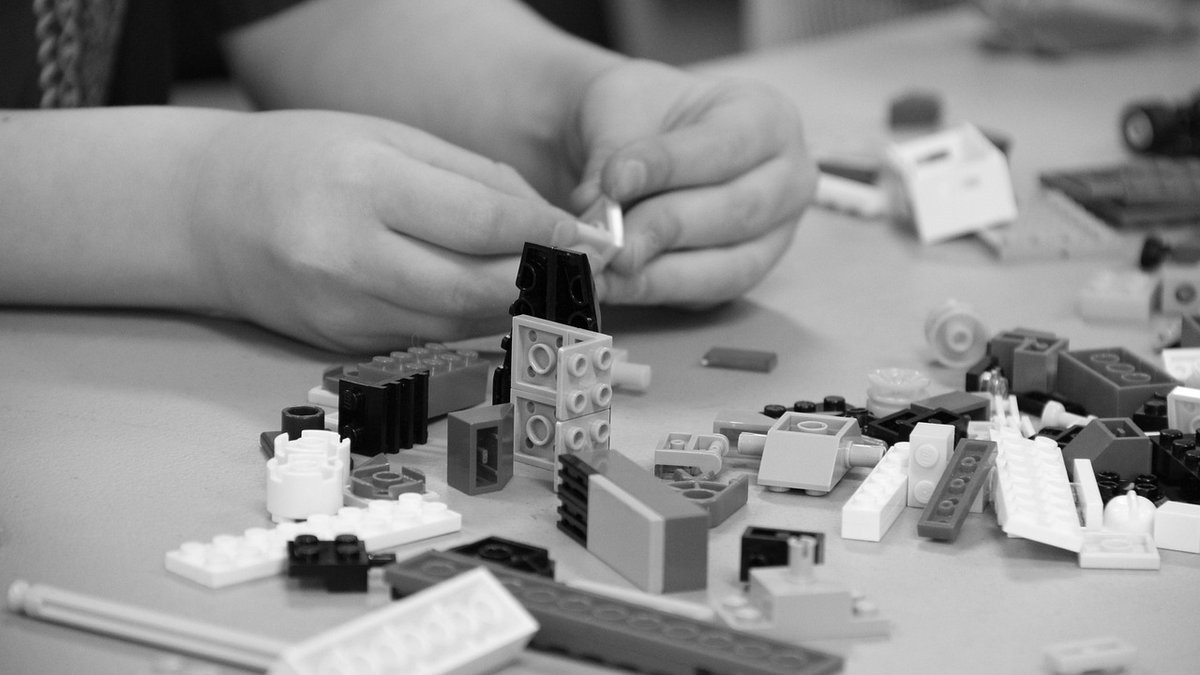
This is not the place for noisy electronic games or a mountain of plastic. Choose a small, rotating selection of items that give the hands and senses something gentle to do.
Less really is more here. Too many choices create decision fatigue, which is the last thing an overwhelmed child needs. Store extras elsewhere and swap them in every few weeks.
A calm corner only works if your child sees it as theirs. Introduce it during a happy, settled moment — never in the middle of a meltdown — and let them help arrange it. Name it something neutral and inviting, such as "the cosy corner" or "your quiet spot."
Practise using it together when everyone is calm, so the routine is familiar before it is needed. You might say, "Shall we go and read in the cosy corner for five minutes?" Then, when big feelings do arrive, you can gently offer it as a choice rather than a punishment: "Your corner is ready if you'd like to use it. I'll be right here."
Some children will go there on their own within weeks. Others will need you to sit with them, at least at first. Both are perfectly fine. The aim is not independence for its own sake, but a reliable place where your child learns that strong emotions are manageable — and that calm is always within reach.

Hi, my name is Anthony kuber. I am artist and fashion designer.
I love to travel and writing blogging.
Your email address will not be published. Required fields are marked *
Software Developer & Writer
Hey, I'm Diva, a developer and writer blending code and creativity. I'm driven by a deep curiosity and a relentless pursuit of excellence. Join me as I craft digital solutions and captivating stories.


